
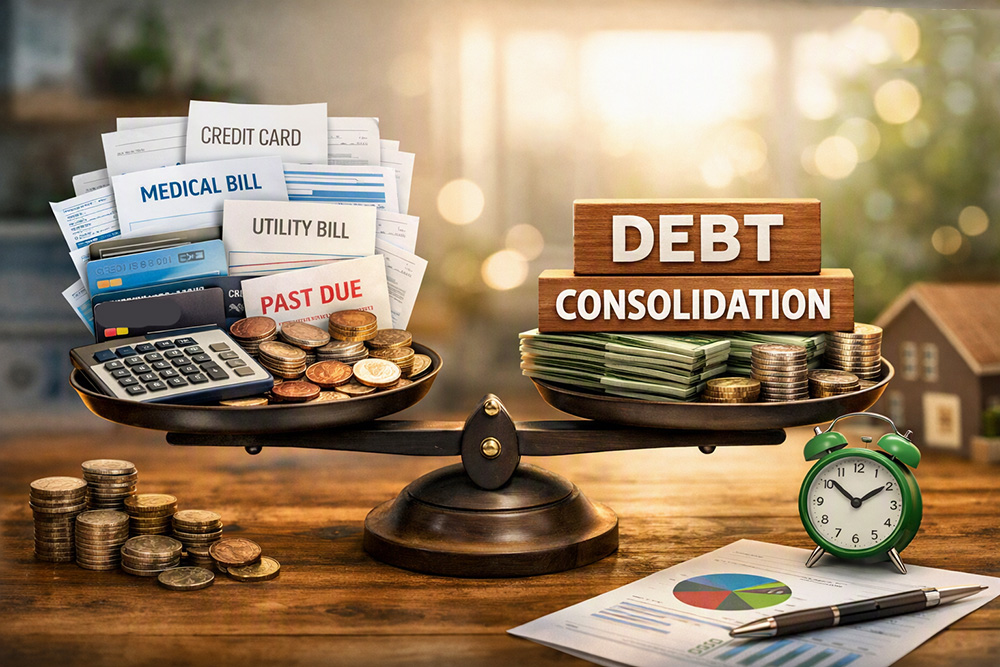
Can Debt Consolidation Lower Your Monthly Payments Immediately?
If you’re struggling to keep up with multiple bills, the idea of replacing them with one lower monthly payment can sound like a relief. That’s one of the biggest reasons people explore Debt Consolidation.
But does consolidation reduce your monthly payment as soon as you enroll? The answer is: sometimes but not always. It depends on how you consolidate your debt, your financial profile, and the terms of your new repayment plan.
Here’s what you should know before expecting immediate savings.
Why Debt Consolidation Can Reduce Monthly Payments
Debt consolidation combines eligible debts into one payment. Depending on the program, this may involve a consolidation loan or a structured Debt Management plan.
Monthly payments may decrease if:
- You qualify for a lower interest rate.
- Your repayment term is extended.
- Existing fees or penalties are reduced.
- Creditors agree to modified repayment terms.
Lower payments can improve cash flow, but it’s important to understand how those savings are achieved.
Does It Happen Immediately?
Not necessarily.
The timing depends on the type of consolidation you choose.
For example:
- A consolidation loan may lower payments once the loan is approved and your previous debts are paid off.
- A debt management plan may take time to become active while creditors review and accept the proposed repayment terms.
Because every situation is different, immediate payment reductions cannot be guaranteed.
What Determines Your New Monthly Payment?
Several factors influence how much you’ll pay after consolidation.
These include:
- Your total outstanding debt.
- Your credit history.
- Current interest rates.
- Your income and debt-to-income ratio.
- The repayment period you choose.
Lenders and counseling agencies evaluate your overall financial picture, not just one factor.
The Consumer Financial Protection Bureau encourages consumers to compare loan terms carefully and fully understand repayment obligations before accepting any debt consolidation offer.
Lower Payments Don't Always Mean Lower Costs
A smaller monthly payment can feel like progress, but it doesn’t always reduce the total amount you’ll repay.
For example, extending your loan term may:
- Lower your monthly obligation.
- Increase the total interest paid over time.
This is why affordability should be balanced with long-term cost.
If you’re comparing loan options, this article provides additional insight: Are Debt Consolidation Loans a Good Idea?
What If Your Credit Score Isn't Strong?
People often assume poor credit automatically disqualifies them from consolidation.
While lower credit scores may affect loan approval or interest rates, they don’t eliminate every option. Some counseling-based programs focus more on your ability to repay than your credit score alone.
If you’re unsure how your credit affects eligibility, this guide may help: What Credit Score Do You Need for Debt Consolidation?
How Is Debt Consolidation Different from Debt Settlement?
These two options are frequently confused.
Debt Consolidation combines debts into one structured payment.
Debt Settlement involves negotiating with creditors to accept less than the amount owed, which may affect your credit and could have tax consequences if qualifying debt is forgiven.
Choosing between them depends on your financial circumstances rather than simply seeking the lowest monthly payment.
For a detailed comparison, consider reading: What Is the Difference Between Debt Consolidation and Debt Settlement?
Can Faith-Based Debt Consolidation Help?
Some individuals prefer working with providers that offer christian counseling debt consolidation or christian debt consolidation services because they value financial guidance that aligns with their personal beliefs.
These programs generally follow the same consumer protection laws as secular organizations while combining financial education with structured repayment strategies.
If you’re interested in how these programs operate, this resource explains the process: How Does Christian Debt Consolidation Work?
Questions to Ask Before You Enroll
Before committing to any consolidation program, ask:
- Will my monthly payment actually decrease?
- How long will repayment take?
- What fees are involved?
- Will my interest rate change?
- How will this affect my credit?
A trustworthy provider should answer these questions clearly and provide all terms in writing before you sign an agreement.
When Lower Payments May Not Be the Right Goal
Reducing monthly payments isn’t always the best financial strategy.
If extending repayment means paying substantially more over time, a higher monthly payment with a shorter payoff period could save money overall.
The right solution depends on your budget, income stability, and long-term financial objectives not just today’s payment amount.
Conclusion
Debt consolidation can lower monthly payments, but it isn’t automatic or guaranteed. Understanding how your repayment plan is structured, comparing your options carefully, and reviewing the total cost of borrowing will help you make a more informed decision.
If you’re considering debt consolidation and want to understand whether it could realistically lower your monthly payments while supporting your long-term financial goals, contact our team to discuss the options available for your situation.
